
heavy flow
Why Heavy Flow Days Feel So Different And How Women Are Managing Them Better
Short answer
Heavy flow days are harder because most period products are sized for an average day. Period underwear built for heavy flow, like Kiri nightwear at 75 ml (about 8.5 regular tampons) with absorbency running front to back, covers more without constant changing. If you soak through protection every hour or two, see a doctor.
Some days feel manageable. Some feel unpredictable in a way that changes how you plan the whole day — checking a bag for backups, picking clothes by colour instead of what you actually want to wear, timing a bathroom break around a change rather than around your bladder. Heavy flow days aren't just "more" of a normal day; they change the calculation entirely.
Why the standard advice falls short
Most period-product advice assumes a fairly even flow across a cycle, so it under-serves the one or two days that don't behave that way. A single pad or tampon rated for average flow gets outpaced quickly on a heavy day, which is where the familiar cycle of double-layering, over-changing and quietly worrying about leaks comes from.
What actually changes with the right underwear
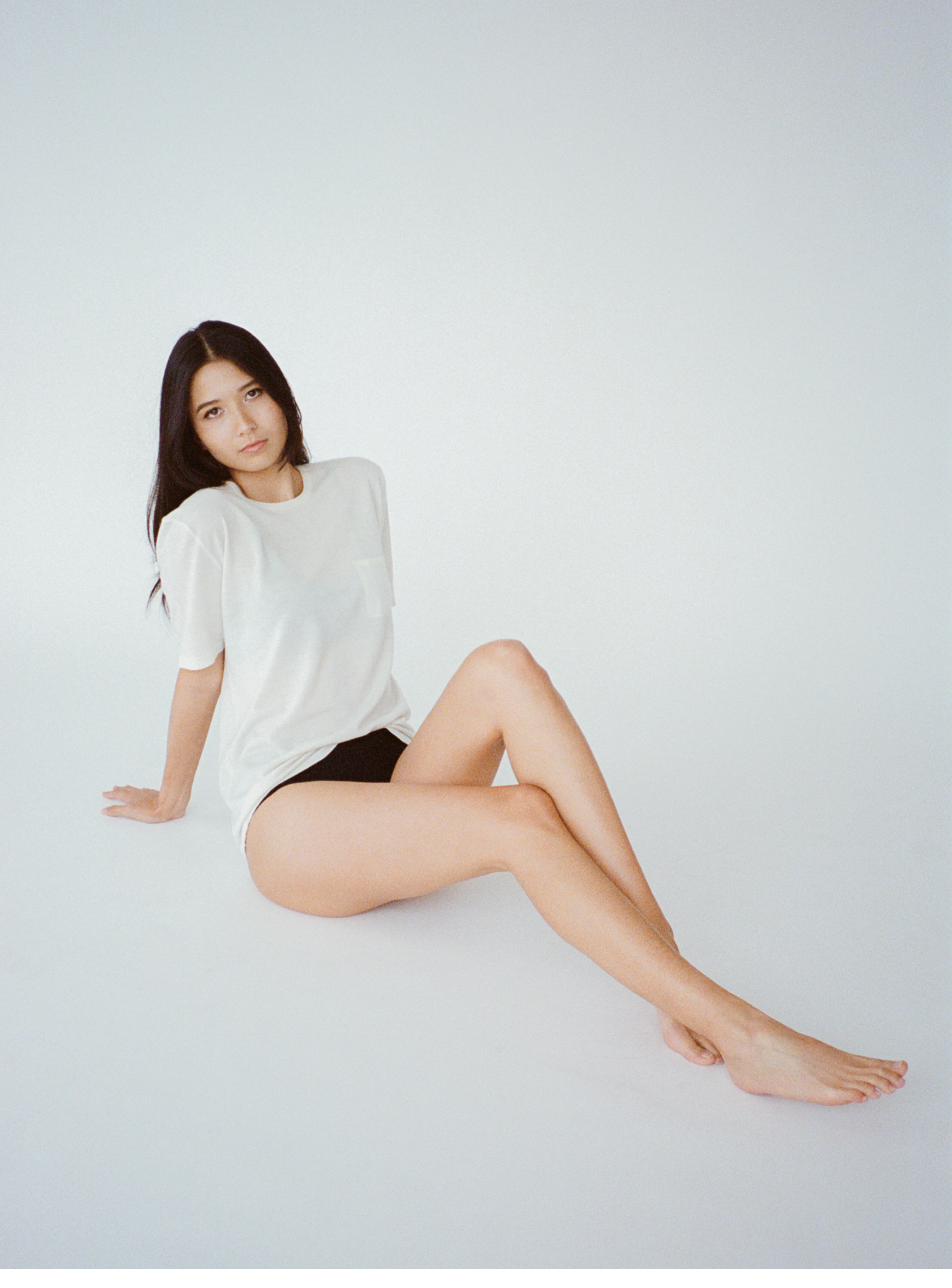
Kiri's nightwear style holds up to 75 ml — about 8.5 regular tampons — in a single pair, cut with a higher waist for full coverage while lying down. On a heavy day, a lot of people wear it during the day too, sometimes layered with a tampon or cup as backup for extra peace of mind rather than out of necessity. The four-layer construction (moisture-wicking, antibacterial, absorbent core, leakproof shield) is doing the same job it does on any other day; it's just being asked to do more of it, which is exactly what it's built for.
The practical difference shows up less in the product spec and more in what you stop having to think about: whether a pad has shifted, whether it's been too long since the last change, whether today's the day you avoid the light-coloured jeans. That mental overhead is often the more exhausting part of a heavy day, and it's the part that changes most.
When it's worth talking to a doctor
Heavy flow varies a lot between people, and what's normal for one person isn't necessarily normal for another. But if your periods are consistently soaking through protection every hour or two for several hours running, lasting longer than seven days, or accompanied by symptoms like severe pain or lightheadedness, that's worth a conversation with a doctor rather than something to manage around indefinitely — heavier bleeding and its causes are a medical question, not a shopping one, and we'd rather say that plainly than let a product page stand in for it.
Building a heavy-day routine
If your heavy days are consistent, two or three nightwear pairs in rotation work well — one in wear, one washed and drying, one as backup — rather than relying on a single pair to get through. Our size guide covers absorbency by style if you're deciding between daywear and nightwear for a heavier cycle.
Keep reading
Frequently asked questions
Which Kiri style is best for heavy days?
Nightwear. It holds up to 75 ml, about 8.5 regular tampons, and its absorbent layer runs from the front to the back of the waistband. Many people wear it during the day on their heaviest days too.
Can I add a tampon or cup on my heaviest hours?
Yes, if it gives you peace of mind. Kiri is designed to be worn on its own, but some people add a tampon or cup on their heaviest hours as backup.
When is heavy flow a reason to see a doctor?
If you soak through protection every one to two hours for several hours, your period lasts more than seven days, or you have severe pain or dizziness. Heavy bleeding is a medical question, not a product one.
Heavy Flow
Recommended for you


