
Why More Women Are Switching to Period Panties And Not Going Back
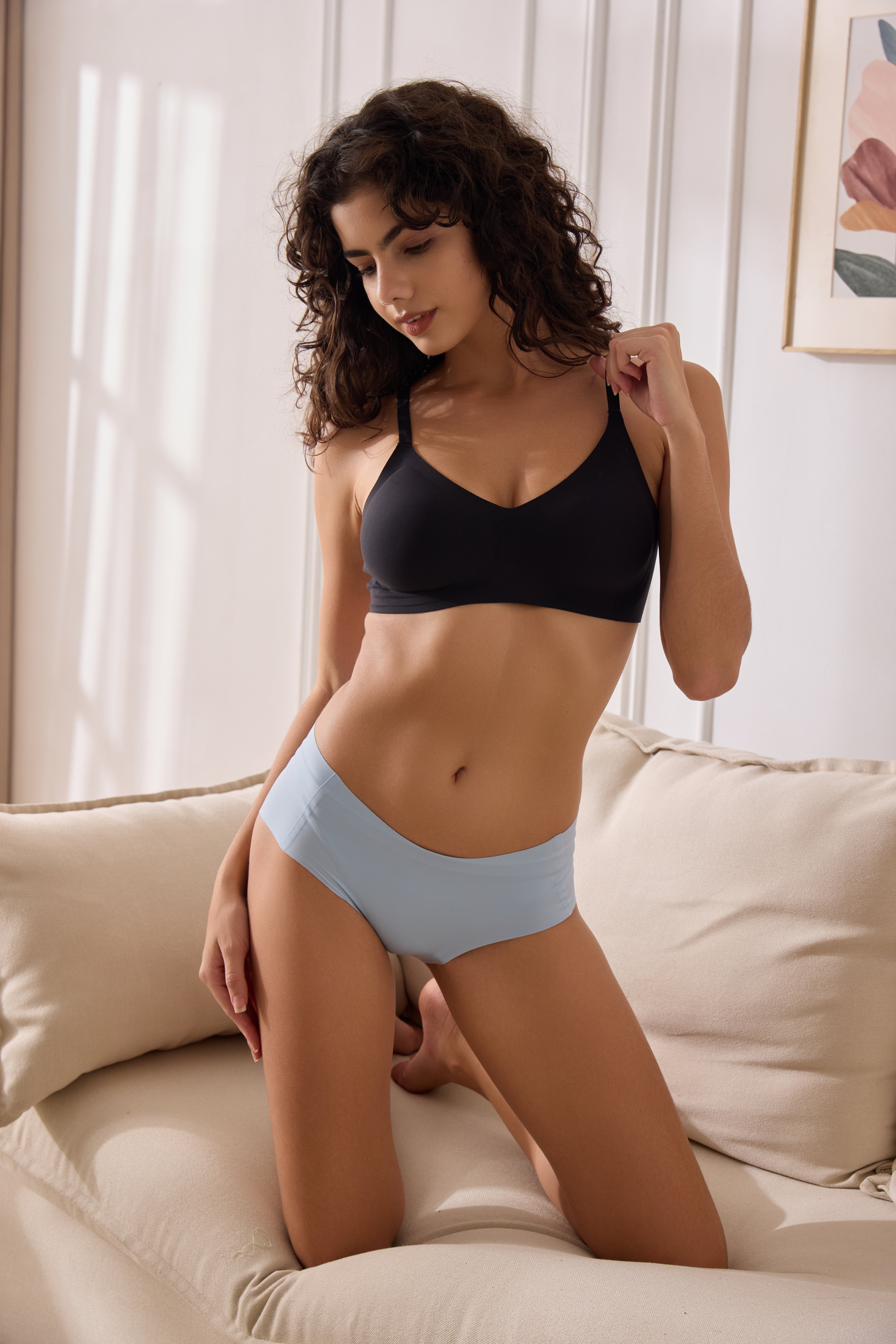
The switch to period underwear rarely happens because of one dramatic leak. It's usually smaller than that — restocking pads for the third time in a month, packing extra just in case, the particular fatigue of a product you have to keep buying and keep remembering to buy. What actually changes when someone switches isn't just the product in their drawer, it's how much of their day was quietly spent managing it.
What switching actually removes
Disposable period care asks for small, repeated decisions: whether you have enough, whether it's time to change, whether what you're wearing will show through. None of these is a big decision on its own, but they add up across a cycle, and across years of cycles. Period underwear removes the pattern rather than improving it — you put it on in the morning the way you'd put on any other underwear, and the rest of the day proceeds without a restocking trip or a mental checklist.
The economics that make it stick
A well-cared-for pair lasts around two years of regular use and replaces upwards of 600 individual disposables over that time — the average person uses roughly 11,000 pads or tampons across a lifetime, almost all of it landfill-bound. At roughly HK$0.90 per wear and falling with every cycle a pair is used, the two-year cost works out lower than the disposables it replaces, even though the upfront price is higher than a single pack. That's usually the number that turns a trial pair into a full switch.
It's not all-or-nothing
Most people who switch don't retire disposables completely — a cup or tampon alongside period underwear as backup on the single heaviest day is common, and reasonable. The honest case for switching isn't that period underwear is the only correct choice; it's that for the bulk of a regular cycle, it removes more friction than it adds.
Starting the switch
Most people only need one pair to see whether the switch is worth it — usually worn toward the end of a period, when flow is lighter, as a first test. If you're ready to build a full rotation from the start, bundle sets are the more economical way to do it than buying pairs one at a time, and our size guide covers how daywear and nightwear differ.
Keep reading
Recommended for you


