
fitness
Period Underwear for the Gym: Does It Actually Hold Up to a Workout?
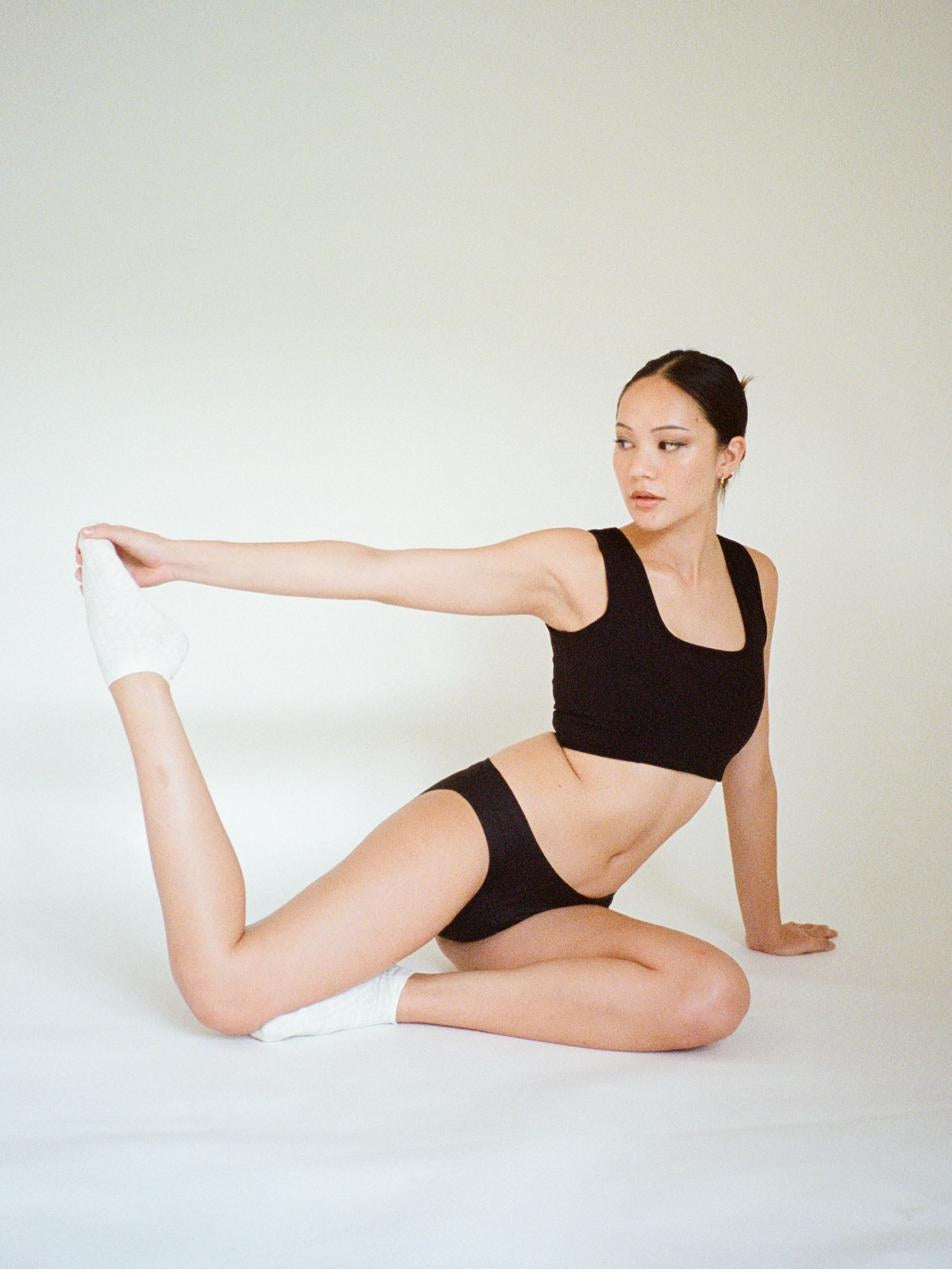
Short answer
Yes, period underwear holds up to a workout. Movement and sweat don't increase flow, but they add moisture, which is what the wicking top layer handles. Kiri daywear, lighter and lower-cut at 50 ml, suits most workouts; on heavy days choose nightwear.
Working out on your period usually comes with a specific hesitation that has nothing to do with energy levels: whether whatever you're wearing will actually hold up once you're sweating, moving, and not in a position to check. It's a fair question, and the honest answer depends on what's actually happening in the fabric, not just the marketing around it.
What changes about absorbency needs during exercise
Movement and sweat don't increase menstrual flow itself, but they do add a second kind of moisture the fabric has to manage alongside it — which is a different job than sitting still at a desk. This is where the wicking layer matters more than the absorbent core does; the core is handling flow the same way it would on any other day, but the surface layer is now also dealing with sweat, and a fabric that only does one of those jobs well will feel damp even if it isn't leaking.
Moisture-wicking, explained plainly
The layer against your skin is built to pull moisture away from the surface rather than absorb and hold it there — the same principle behind technical activewear fabric generally, applied to the specific job period underwear does underneath it. That's the difference between feeling damp and feeling actually wet, and it's the layer doing the most work during a workout specifically.
Daywear vs. nightwear for exercise
Daywear, built for lighter flow at 50 ml absorbency, tends to suit most workouts better than nightwear — it's cut lower-waist and lighter, designed for movement rather than the full-coverage, high-waist cut nightwear uses for overnight protection. If you're exercising on a heavier flow day, that's really a heavy-flow question more than a workout-specific one, and the same daywear-versus-nightwear absorbency logic from any other heavy day applies.
What to pair it with
Fit matters here more than on a low-movement day — looser activewear leggings or shorts give the fabric room to actually wick rather than trapping moisture against skin under something equally non-breathable. The underwear is doing its job; tight, non-breathable outer layers can undo some of that regardless of what's underneath.
The bottom line
For most workouts, well-fitted daywear genuinely holds up — the combination of the moisture-wicking layer and the leakproof shield is built for exactly this kind of movement, not just built to survive it. If you're unsure which absorbency level fits your flow and activity level, our size guide breaks down daywear and nightwear side by side.
Keep reading
Frequently asked questions
Will period underwear leak when I exercise?
Not in the right size and within its capacity. A snug fit keeps the gusset in place while you move, so size down if you are between sizes.
Daywear or nightwear for the gym?
Daywear for most workouts: it is lighter and lower-cut. On a heavy day, nightwear's 75 ml capacity matters more than the lighter cut.
Can I do yoga or run in it?
Yes. Kiri is designed for everyday movement. It isn't swimwear, so for swimming use a tampon or cup.
Fitness
Recommended for you


